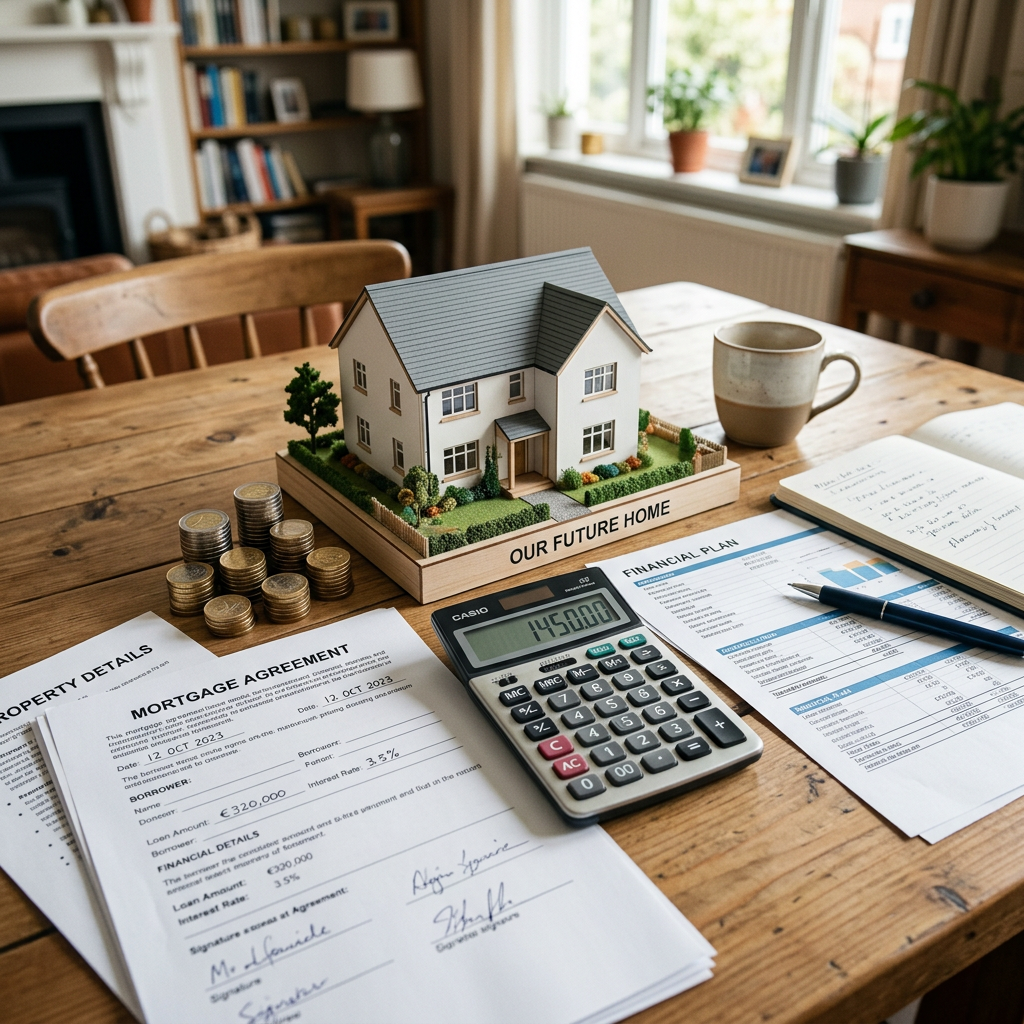
You found the perfect home. Then the estimated payment comes back much higher than expected. Understanding what is a MUD tax in Texas can help buyers avoid major affordability surprises before making an offer.
In 2026, affordability is about much more than principal and interest. Property taxes can change your payment significantly.
We are in a Houston buyer’s market 2026, which gives buyers more negotiating power—but monthly cost still matters.
What Is a MUD Tax?
MUD stands for Municipal Utility District.
These districts help fund infrastructure for developing communities.
MUD taxes may help pay for:
- Water systems
- Sewer systems
- Roads
- Drainage projects
- Community infrastructure
Texas utility district resource: https://www.tceq.texas.gov
The tax helps reimburse development costs over time.
Why So Many Houston-Area Communities Have MUD Taxes
MUD taxes are common in growing suburban areas.
You will often see them in:
- Tomball
- Cypress
- Magnolia
- Katy
- Hockley
- Spring
- New construction communities
Local market data source: https://www.har.com
Many master-planned communities developed rapidly using these structures.
Houston Buyer’s Market 2026 and Monthly Payment
Current market conditions include:
- More homes available
- More negotiation opportunities
- Seller concessions returning
For market trends: https://redefinedhtx.com/blog/houston-buyers-market-2026/
But regardless of price negotiations, taxes still affect monthly affordability.
How MUD Taxes Affect Your Mortgage Payment
Many buyers focus only on sales price.
But monthly payment also includes:
- Principal
- Interest
- Property taxes
- Homeowners insurance
- HOA dues
MUD taxes are included within property tax calculations.
Texas property tax resource: https://comptroller.texas.gov/taxes/property-tax/
Two homes at the same price may have dramatically different monthly payments.
Do MUD Taxes Ever Go Away?
Sometimes—but not always.
As development matures:
- Debt may decrease
- Tax rates can change
- Infrastructure may become paid off
However, every district operates differently.
Buyers should verify current rates and long-term expectations.
Should Buyers Avoid Homes With MUD Taxes?
Not necessarily.
Communities with MUD taxes often offer:
- Newer homes
- Strong amenities
- Community pools and parks
- Modern infrastructure
The question is not whether MUD taxes exist.
The question is whether the payment still fits comfortably within your budget.
Common Buyer Mistakes With MUD Taxes in Texas
Many buyers:
- Focus only on home price
- Ignore tax rates
- Compare payments incorrectly
- Discover tax differences too late
Monthly affordability should always come first.
How Buyers Compare Homes Correctly
Before choosing a home:
- Review full tax rates
- Compare estimated payments
- Understand MUD structures
- Analyze long-term affordability
For budgeting guidance: https://redefinedhtx.com/blog/how-much-house-can-i-afford-texas/
The lowest price is not always the cheapest payment.
Is a MUD Tax in Texas Bad in 2026?
Not necessarily.
The Houston buyer’s market 2026 offers:
- More choices
- More negotiation opportunities
- Better flexibility
But smart buyers evaluate the full financial picture.
At The Musto Group, Jessica Musto and Donato Musto help buyers understand what is a MUD tax in Texas by aligning affordability, neighborhood goals, and long-term financial planning.
If you are buying in Tomball, Cypress, Magnolia, Spring, or surrounding Houston suburbs, understanding taxes before touring homes can prevent costly surprises.
Know the payment.
Understand the taxes.
Buy with confidence.
Visit our contact page to build a personalized home buying strategy with our team.
Sources
Texas Commission on Environmental Quality – https://www.tceq.texas.gov
Houston Association of Realtors – https://www.har.com
Texas Comptroller Property Tax Division – https://comptroller.texas.gov/taxes/property-tax/
Proudly Serving: Tomball, The Woodlands, Cypress, Spring, Hockley, Katy, Conroe, Willis, Kingwood, New Caney, Porter, Magnolia, Plantersville, Waller, Rosenberg, Richmond, Houston, & surrounding areas across Harris County, Montgomery County, Fort Bend County, Waller County, San Jacinto County, Liberty County, Grimes County & Walker County.
Leave a Reply